



Digital Green Transformation in Pakistan: A Path to Sustainable Development
Introduction: A Turning Point for Pakistan
Pakistan is at a critical crossroads where two global changes, the digital revolution and the transition to a low-carbon green economy, are changing its development trajectory. The notion of digital green transformation, which combines technical innovation with environmental sustainability, provides a unique chance for emerging countries such as Pakistan to avoid obsolete growth patterns.
Given the country's difficulties, including energy shortages, climate vulnerability, and rising urbanization, embracing this transition is critical to economic resilience, sustainability, and long-term national success.
Energy Crisis and the Need for Green Solutions
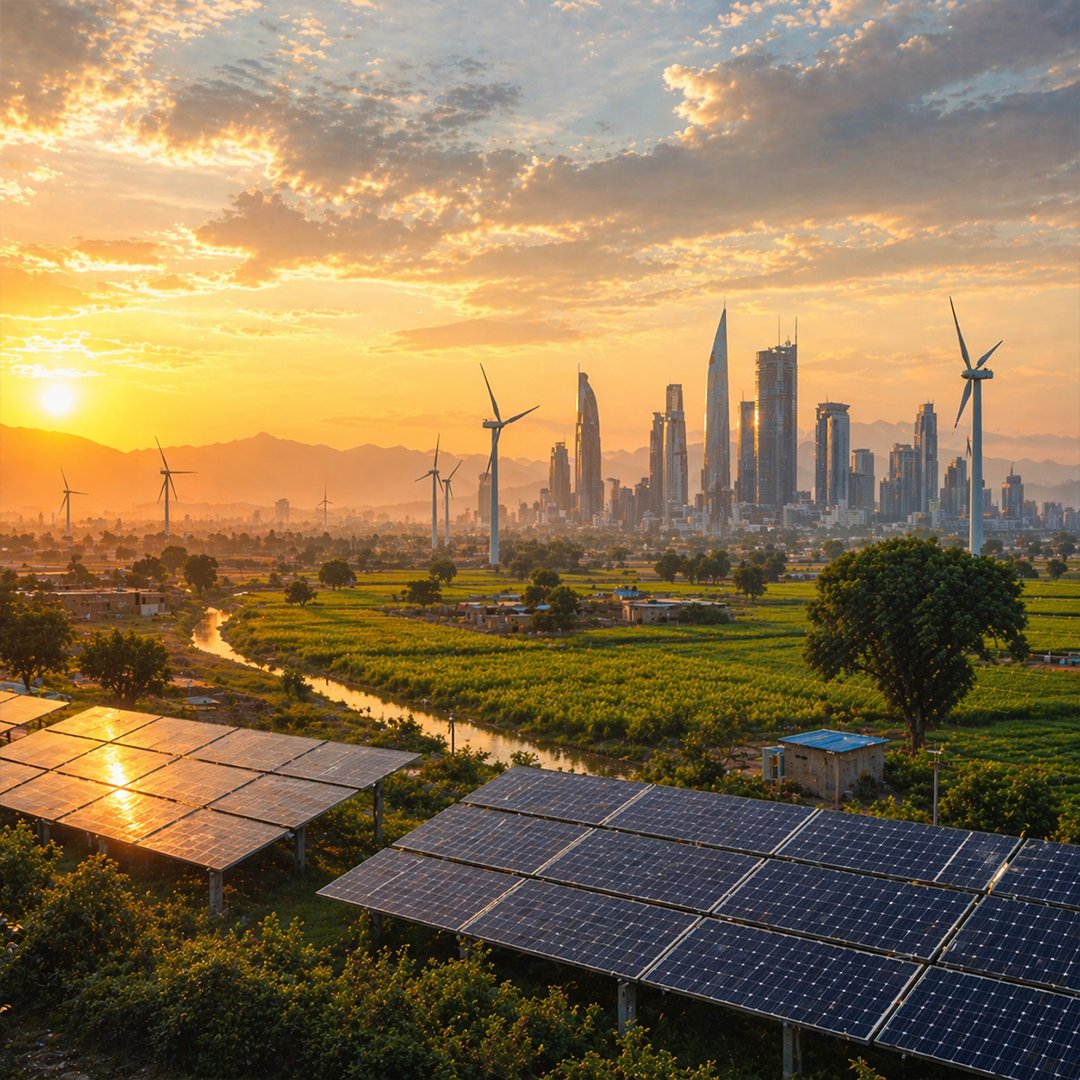
Persistent energy shortages, high electricity prices, a heavy reliance on imported fuels, and growing vulnerability to climate-related disasters continue to threaten Pakistan's economic competitiveness. The essential need for a more sustainable and technologically advanced energy paradigm that can guarantee long-term stability and growth is highlighted by these interrelated issues. Pakistan is encouragingly starting to exhibit early indications of a green transition, especially with the quick growth of solar energy usage, which provides a more affordable, dependable, and clean alternative to conventional energy sources.
Rise of Solar Energy in Pakistan
In Pakistan rooftop solar systems have become increasingly popular among homes, companies, and farmers in recent years. The unstable grid supply, rising electricity rates, and falling solar panel prices have all contributed to this change. Because of this, solar energy is no longer seen as a niche solution; rather, it has become a viable and affordable option in many regions including Pakistan.
Benefits of Solar Adoption
This trend shows that people become more energy independent and pay less for utilities, while enterprises can minimize operating expenses and obtain a competitive edge. Farmers also profit from dependable irrigation systems that run on renewable energy. All things considered, this change amply demonstrates how environmental sustainability and economic efficiency can go hand in hand.
Beyond Energy: The Role of Digital Innovation
Renewable energy is important, yet it is insufficient on its own. For Pakistan to fully reap the rewards of change, digital technology must be combined with sustainable behaviors.
Across all sectors, digitalization may greatly improve environmental management, efficiency, and governance.
Digital Transformation in Agriculture
Pakistan's economy still revolves around agriculture, and advances like satellite-based crop monitoring, precision irrigation systems, and weather forecasting applications have the potential to revolutionize this industry. By assisting farmers in boosting output, maximizing water use, and adjusting to shifting climate circumstances, these technologies make climate-smart agriculture possible. Adopting such techniques is crucial to guaranteeing food security and bolstering rural resilience in light of growing climate risks.
Climate Change and the Need for Resilience
Pakistan is one of the nations most at risk from climate change, with regular floods, protracted heat waves, and growing water scarcity posing major risks to infrastructure, food supply, and general economic stability. Development policies must give climate resilience top priority in order to mitigate these risks. This can be achieved by expanding renewable energy sources, developing climate-resilient infrastructure, and improving water management. Furthermore, by facilitating environmental monitoring systems, sophisticated disaster management tools, and efficient early warning systems that lessen damage and save lives, digital technologies play a critical role in bolstering these efforts.
Urbanization Challenges and Smart City Solutions
Significant environmental and socioeconomic issues, such as growing air pollution, mounting pressure on urban infrastructure, and the ongoing loss of important agricultural land, have been brought about by Pakistan's rapid and frequently unplanned urbanization. Cities run the risk of turning into hotspots for environmental stress rather than catalysts for innovation and economic expansion in the absence of sound planning and sustainable development plans.
Smart and Sustainable Urban Development
Digital technology like GIS and satellite imaging should be included into a modern urban development strategy together with sustainable practices like energy-efficient buildings and green infrastructure, as well as the growth of effective public transportation networks. Cities may greatly reduce their environmental impact while improving the quality of urban life by integrating these advanced digital components.
Policy and Institutional Challenges
Despite positive progress, Pakistan continues to face substantial hurdles in achieving a successful digital green transformation, owing to uneven regulatory frameworks, insufficient inter-institutional coordination, and a lack of coherent long-term strategic planning. Furthermore, frequent legislative changes increase uncertainty, discourage both domestic and foreign investment, and hinder the adoption of promising green technologies. To overcome these obstacles, it is critical to create a stable, consistent, and predictable policy environment that encourages investor confidence and promotes long-term progress toward national development.
Strategic Policy Recommendations
Pakistan must adopt a thorough and organized policy framework that promotes sustainable development across important sectors in order to expedite the digital green transition. A long-term renewable energy policy with explicit incentives for investments in solar, wind, and energy storage technologies is part of this. Furthermore, it is crucial to encourage banks and other financial institutions to actively promote sustainable and renewable energy projects by promoting green funding. While the integration of digital technologies across several sectors can further improve efficiency, transparency, and environmental sustainability, urban planning changes are also required to prevent urban expansion and promote sustainable city development.
Collaborative Approach for Sustainable Growth
Achieving a successful digital green transition needs the collaboration and coordination of government agencies, commercial sector organizations, and civil society. Each stakeholder has an important role to play in promoting innovation, investment, and awareness of sustainable development. Effective collaboration among these organizations is critical to realizing Pakistan's full potential and establishing a robust, sustainable, and digitally empowered economy in the future.
Conclusion
The combination of digital innovation and green development creates a significant potential for Pakistan to transform its future. By adopting renewable energy, using digital technology, and enacting consistent regulations, the country may overcome its current issues and transition to a more resilient, sustainable, and competitive economy. The time to act is now. Pakistan's future depends on how effectively it accepts and accelerates the digital green transition.

Ovais Ali Khokhar, as Founder and CEO of House of Elaan & Ovaisco Group, has revolutionized the real estate industry with innovative strategies that blend marketing, investment, legal services, and creativity. His efforts in international relations have led to significant global partnerships. He is deeply invested in youth empowerment, aiming to nurture the next generation of leaders and drive forward a resilient and vibrant future. His work is characterized by a strong commitment to collaboration, innovation, and a vision for a globally connected, sustainable future.