



Electric Vehicles (EVs) and Their Future in Pakistan: Can They Solve Energy and Environmental Challenges?
Introduction
Electric vehicles (EVs) are gaining global attention as a cleaner and more efficient alternative to traditional fuel-powered transport. In Pakistan, where energy shortages and environmental pollution are major concerns, EVs are increasingly seen as a possible solution. The key question, however, is whether EVs can realistically address Pakistan’s energy crisis and environmental challenges, or if they are only part of a broader solution.
Understanding EVs and Their Importance
EVs run on electricity stored in rechargeable batteries instead of petrol or diesel. This makes them significantly more energy-efficient and environmentally friendly. Countries around the world are rapidly adopting EV technology to reduce carbon emissions and dependence on fossil fuels. For Pakistan, adopting EVs is not just about modernization—it is about survival in the face of rising fuel costs and worsening environmental conditions.
Transport Sector in Pakistan
Pakistan’s transport sector is a major contributor to energy consumption and environmental degradation. High reliance on fossil fuels has led to significant emissions and deteriorating air quality, particularly in urban cities.
Pakistan’s Energy Challenges
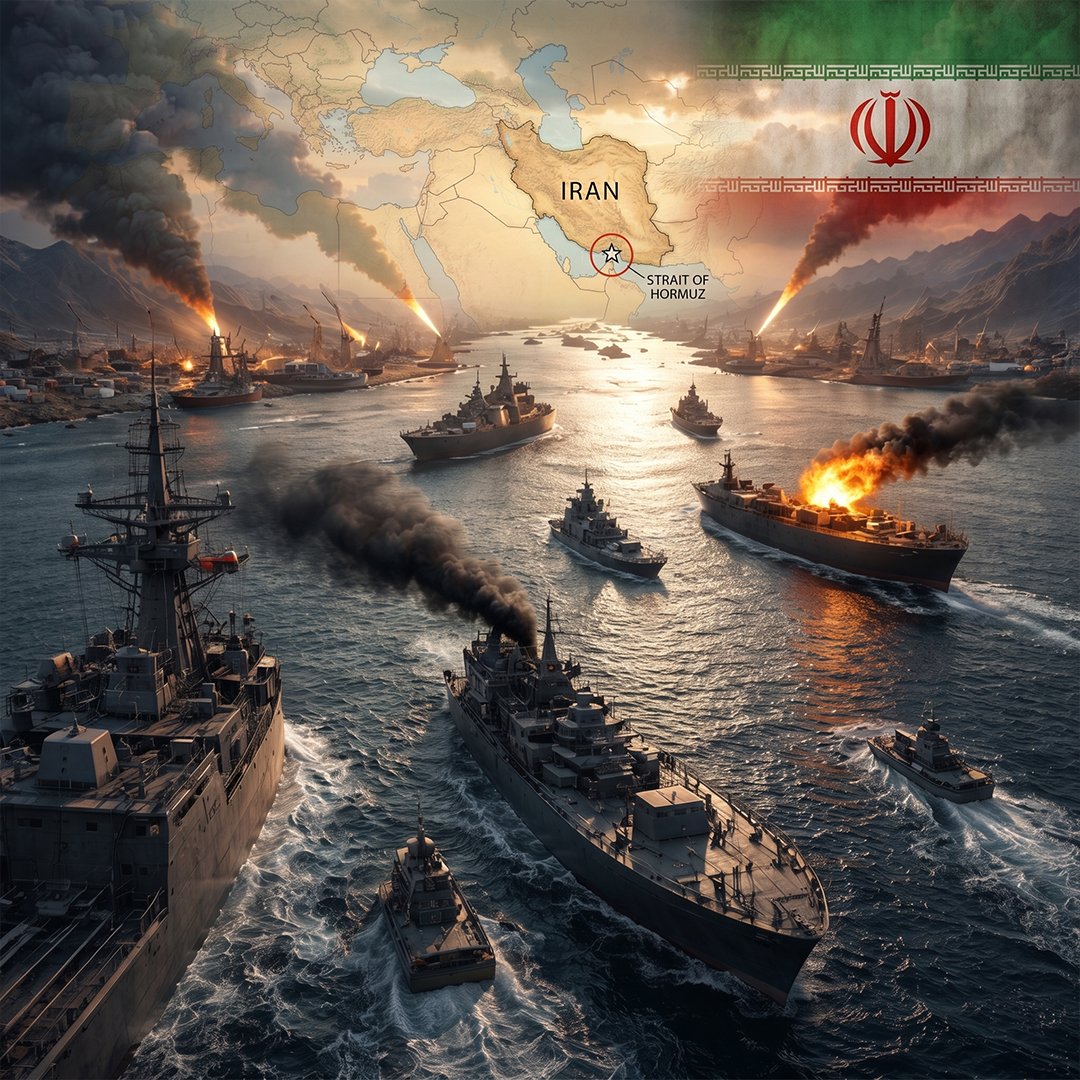
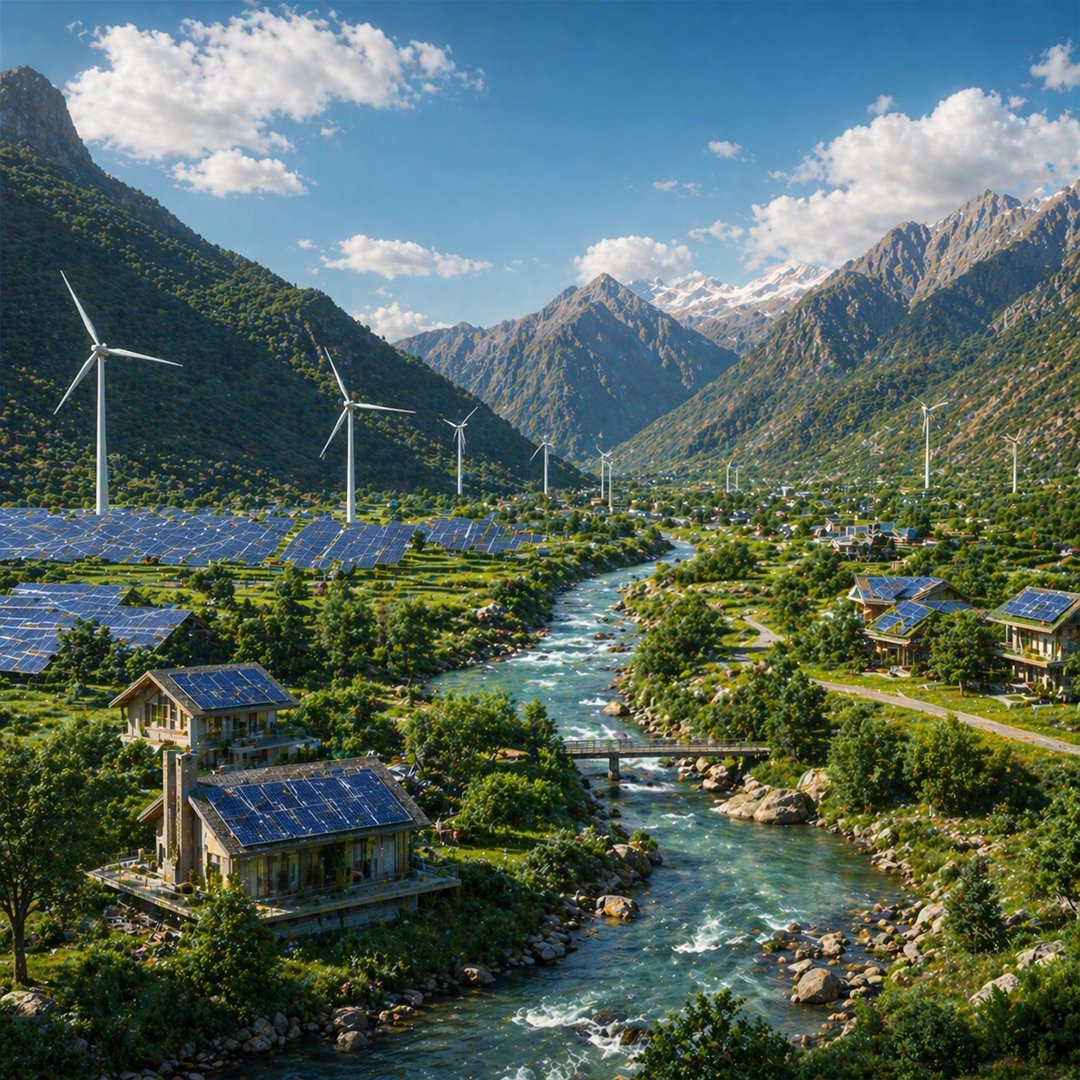
Pakistan has long struggled with an energy crisis characterized by electricity shortages, high production costs, and heavy reliance on imported oil. The transport sector consumes a large portion of petroleum products, placing immense pressure on the economy. While EVs reduce fuel consumption, they also increase demand for electricity. This means EVs alone cannot solve the energy crisis unless Pakistan improves its power generation capacity, especially through renewable energy sources like solar and wind.
Environmental Problems in Pakistan
Environmental pollution is a serious issue in Pakistan, particularly in urban areas. Vehicle emissions are a major contributor to smog, which leads to respiratory diseases and poor air quality. EVs can play a significant role in reducing air pollution because they produce zero tailpipe emissions. If widely adopted, EVs can help clean the air in major cities and improve public health.
Can EVs Solve the Energy Crisis?
EVs can help reduce Pakistan’s dependence on imported fuels, which is a major cause of economic instability by increasing import bill. However, they shift energy demand from oil to electricity. If the electricity is generated using fossil fuels, the overall environmental benefit may be limited. Therefore, EVs can only partially solve the energy crisis. Their success depends on parallel investments in renewable energy and improvements in the power sector.
While EV adoption will increase electricity demand, this impact can be managed through smart grid technologies, time-of-use tariffs, and efficient infrastructure planning. With proper integration, EVs can even contribute to grid stability rather than strain it.
Can EVs Solve Environmental Challenges?
In terms of environmental impact, EVs offer a more direct solution. Transitioning to EVs offers substantial environmental benefits, including reductions in nitrogen oxides (NOx), sulfur dioxide (SO₂), and particulate matter (PM). However, challenges such as battery production, disposal, and electricity generation sources must be considered. Improved air quality will directly enhance public health, particularly in densely populated urban areas. EV adoption also supports Pakistan’s commitments to climate mitigation and sustainable development.
Socio-Economic Implications
The current transport system imposes significant economic burdens through fuel imports, healthcare costs linked to pollution, and inefficiencies in energy use. The widespread EV adoption could save billions in fuel expenditures while reducing public health costs. It advocates for a holistic transport policy that integrates economic, environmental, and social considerations.
EV vs. FFV: Comparative Analysis
A comprehensive comparison between EVs and FFVs demonstrates that although EVs may have higher upfront costs, their total cost of ownership is significantly lower due to reduced fuel and maintenance expenses. Over time, EVs present a more sustainable and cost-effective solution for both consumers and the national economy.
Challenges to EV Adoption in Pakistan
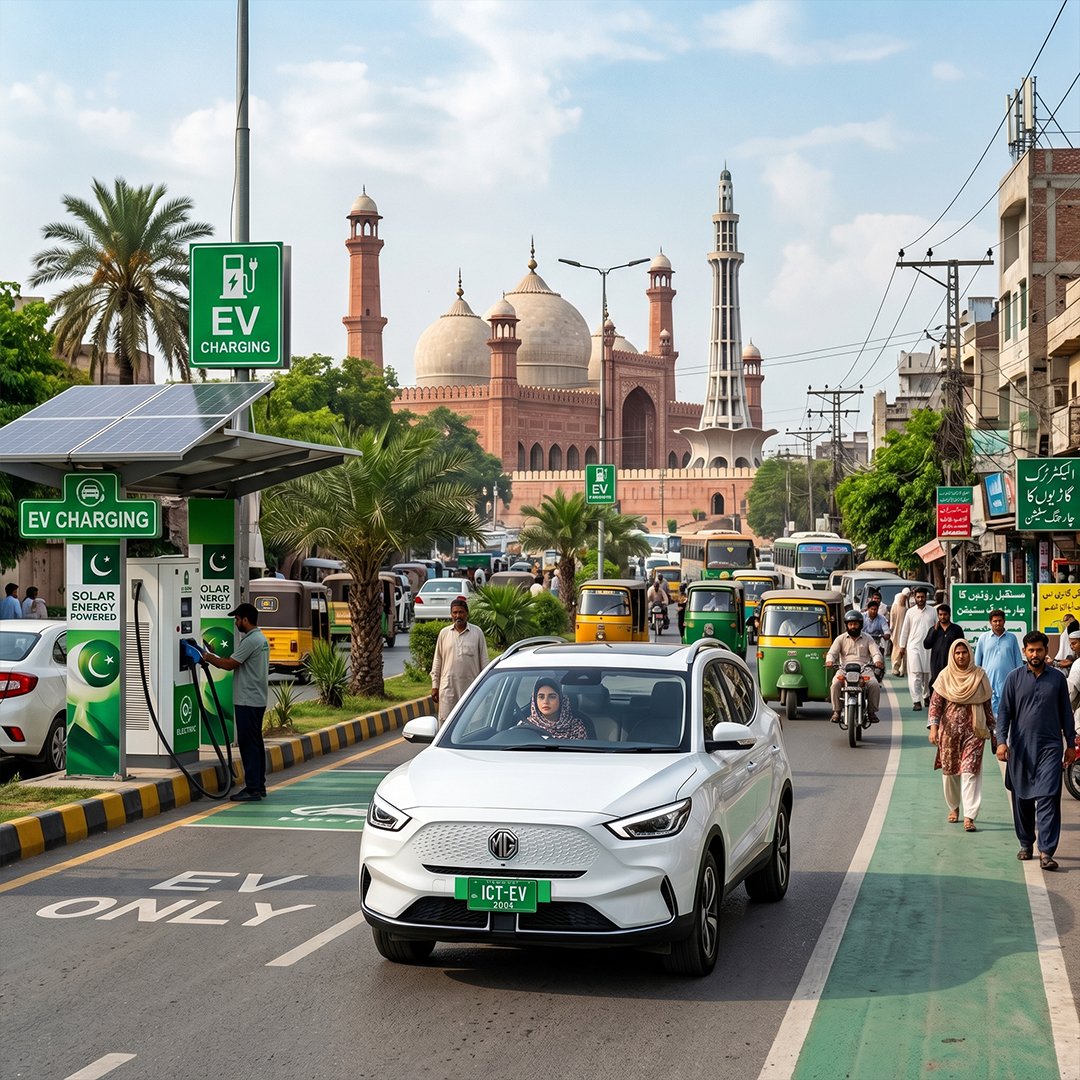
Despite their potential, EV adoption in Pakistan faces several obstacles. High purchase costs make EVs less affordable for the general population. Charging infrastructure is still limited, and there are concerns about battery life and maintenance. Additionally, frequent power outages can discourage people from switching to electric vehicles. Without addressing these issues, large-scale adoption will remain difficult.
To accelerate EV adoption in Pakistan, following measures need to be addressed:
- Fiscal Incentives: Reduce taxes, duties, and tariffs on EVs and related components.
- Charging Infrastructure Expansion: Develop a nationwide network of accessible and reliable charging stations.
- Local Manufacturing Support: Promote domestic production of EVs and components to stimulate economic growth and job creation.
- Consumer and Business Incentives: Introduce subsidies, rebates, and financing options to encourage adoption across sectors.
Future of EVs in Pakistan
The future of EVs in Pakistan is promising but depends on strategic planning and investment. Government policies, incentives, and infrastructure development will play a key role. The integration of renewable energy with EV technology can maximize benefits and make the system more sustainable. With technological advancements and increasing awareness, EVs are likely to become more common in the coming years.
Conclusion
Electric vehicles have the potential to significantly improve Pakistan’s environmental conditions and reduce reliance on imported fuel. However, they are not a complete solution to the country’s energy crisis. EVs should be seen as part of a larger strategy that includes renewable energy development, infrastructure improvement, and policy support. If implemented correctly, EVs can play a major role in shaping a cleaner, more sustainable, and energy-secure future for Pakistan.

Ovais Ali Khokhar, as Founder and CEO of House of Elaan & Ovaisco Group, has revolutionized the real estate industry with innovative strategies that blend marketing, investment, legal services, and creativity. His efforts in international relations have led to significant global partnerships. He is deeply invested in youth empowerment, aiming to nurture the next generation of leaders and drive forward a resilient and vibrant future. His work is characterized by a strong commitment to collaboration, innovation, and a vision for a globally connected, sustainable future.