



Vertical and High-Rise Buildings in Pakistan: A Solution to Growing Housing Demand
Introduction
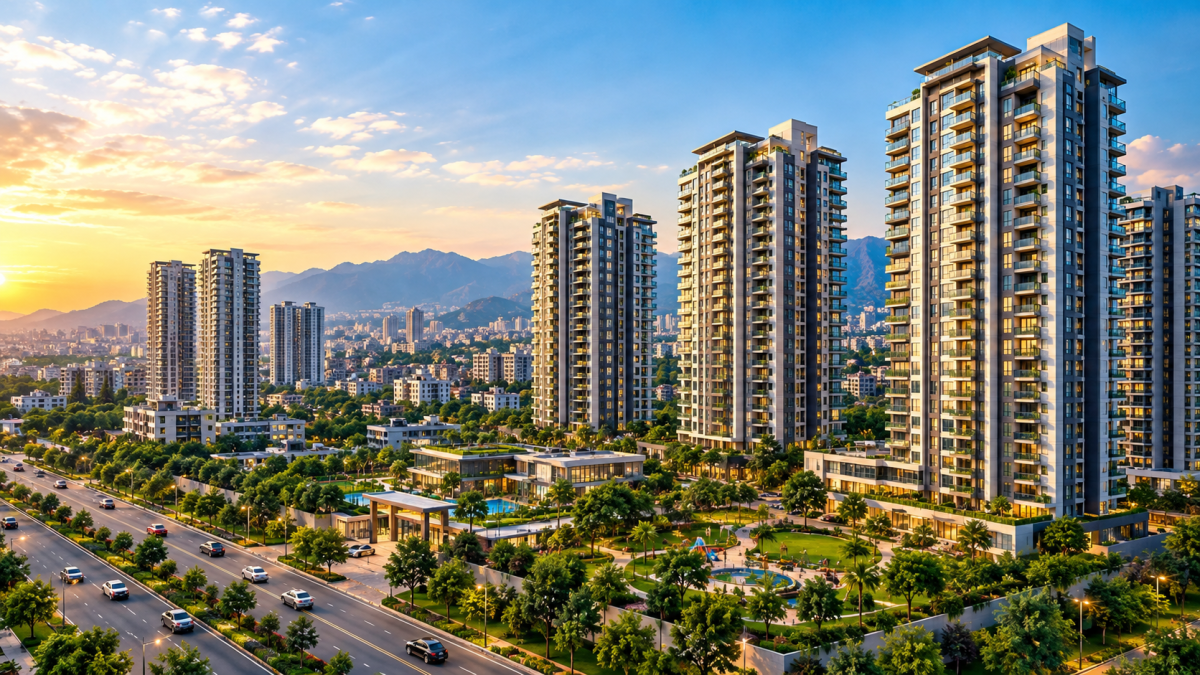
Pakistan’s urban landscape is changing rapidly as cities such as Karachi, Lahore, Islamabad, and Rawalpindi continue to expand. Population growth, urbanization, and increasing demand for residential and commercial spaces have created a need for smarter and more sustainable urban development. In this evolving environment, vertical construction and high-rise buildings are emerging as effective solutions to modern housing and infrastructure challenges.
Vertical buildings make better use of limited land, provide modern living and working environments, and support the development of well-planned urban communities. As Pakistan moves toward a more urbanized future, high-rise construction can play an important role in shaping the country’s real estate sector.
1. Efficient Use of Limited Land
One of the greatest advantages of high-rise buildings is their ability to accommodate more people and businesses on smaller plots of land. In major Pakistani cities, the availability of affordable land in prime locations is becoming increasingly limited.
Instead of expanding cities horizontally into agricultural land and distant suburbs, vertical development allows developers to create residential apartments, offices, retail outlets, and recreational facilities within a compact area. This approach promotes more organized urban growth and helps preserve valuable land for agriculture and other essential uses.
2. Affordable Housing Opportunities
The rising cost of land and construction has made homeownership increasingly challenging for many Pakistani families. High-rise residential projects can offer a wider range of housing options, including studio apartments, one-bedroom units, and larger family apartments.
By distributing land costs across multiple floors and residential units, developers can potentially provide more accessible housing options in desirable locations. Smaller apartments may also offer an opportunity for young professionals and small families to own their living spaces at affordable price.
Although affordability depends on construction costs, financing, location, and project quality, vertical development can contribute to addressing Pakistan’s growing housing demand.
3. Modern Lifestyle and Integrated Facilities
Contemporary high-rise developments often combine residential, commercial, and recreational facilities within a single project. Depending on the development, residents may benefit from parking areas, fitness centers, shopping outlets, landscaped spaces, security systems, and community facilities.
This integrated approach reduces the need to travel long distances for everyday activities. It can save time, improve convenience, and support a more comfortable urban lifestyle.
For professionals and families living in busy cities, having essential services close to home is an increasingly attractive feature of modern real estate.
4. Better Urban Planning and Infrastructure
Unplanned horizontal expansion can put pressure on roads, electricity networks, water supplies, sanitation systems, and public services. Carefully planned vertical development can help concentrate population growth in areas where infrastructure can be upgraded and used more efficiently.
High-rise projects can also encourage the development of mixed-use neighborhoods, where residential, commercial, and business activities coexist.
However, successful vertical development requires proper infrastructure planning, reliable utility services, adequate parking, emergency access, and effective traffic management. When these factors are addressed, high-rise buildings can contribute to more functional and organized cities.
5. Economic Growth and Employment Generation
The construction of high-rise buildings creates employment opportunities across multiple sectors, including architecture, engineering, construction, project management, interior design, building maintenance, and property management.
These projects also generate demand for construction materials, electrical equipment, elevators, security systems, and other supporting industries. Once operational, commercial and mixed-use developments can attract businesses, retailers, service providers, and investors.
As a result, vertical development can support economic activity, encourage private investment, and contribute to the growth of Pakistan’s construction and real estate industries.
6. Investment Potential in the Real Estate Sector
High-rise properties can appeal to both residential buyers and investors. Apartments in strategically located developments may offer opportunities for rental income, long-term ownership, and capital appreciation.
Commercial spaces, including offices and retail units, may also attract businesses seeking accessible locations with modern facilities.
Nevertheless, real estate returns are never guaranteed. Investors should evaluate the developer’s reputation, legal approvals, construction progress, payment plans, location, rental demand, and the project's overall financial viability before making an investment decision.
7. Environmental and Energy Efficiency Benefits
Well-designed high-rise developments can support more efficient land use and reduce urban sprawl. Compact neighborhoods may also make public transport, walking, and cycling more practical when supported by suitable urban planning.
Modern buildings can incorporate energy-efficient lighting, improved insulation, water-saving fixtures, solar power systems, and efficient waste-management practices.
These features can help reduce operating costs and environmental impact. However, high-rise buildings also require substantial materials, energy for elevators and cooling, and careful management of water and waste. Their environmental benefits depend on thoughtful design, construction quality, and long-term operation.
8. Improved Safety and Construction Standards
Modern high-rise construction can incorporate advanced engineering techniques, fire detection and suppression systems, emergency staircases, backup power, access controls, and building management technologies.
In a country such as Pakistan, where earthquake resilience is an important consideration in many regions, structural design must account for the relevant seismic conditions and applicable building codes.
Developers should prioritize professional engineering, quality construction materials, independent inspections, fire safety, emergency evacuation planning, and compliance with local regulations. These measures are essential to ensuring that vertical growth remains safe and sustainable.
9. Supporting Pakistan’s Smart Cities of the Future
The future of Pakistan's urban development depends on creating cities that are more efficient, connected, and responsive to the needs of their residents.
High-rise buildings can support this vision when they are integrated with public transportation, reliable infrastructure, green spaces, pedestrian-friendly streets, and digital building-management systems.
Rather than treating vertical construction as simply a way to build taller structures, we can use it as an opportunity to develop complete urban environments that offer convenience, economic opportunity, and a better quality of life.
Elaan Marketing and Its High-Rise Projects
Elaan Marketing has established a presence in Islamabad’s real estate market by connecting investors with residential, commercial, and mixed-use developments. The company has focused on property marketing, investment guidance, and promoting projects in key locations across Islamabad, Rawalpindi, Murree and the surrounding region. Its portfolio includes completed developments as well as high-rise projects at different stages of development.
As Pakistan’s cities continue to grow, high-rise buildings are becoming an important part of modern urban development. They make more efficient use of land, offer opportunities for integrated residential and commercial spaces, and can provide investors and customers with a range of property options. Elaan Marketing’s portfolio reflects this shift toward vertical development, particularly in areas such as Rawalpindi, Islamabad, Murree and Abbottabad.
What distinguishes Elaan Marketing’s high-rise portfolio?
Elaan Marketing’s portfolio highlights several themes that matter to Pakistan’s evolving property market:
- Vertical development: Residential and commercial buildings make productive use of land in Prime urban locations.
- Mixed-use concepts: Projects of Elaan Marketing bring retail and other facilities together with complementary uses.
- Investment choice: The portfolio includes commercial and residential opportunities providing various opportunities to different types of customers and investors according to their needs.
- A delivered-project portfolio: Developed more than 50+ Projects and successfully delivered to clients.
Conclusion
Vertical and high-rise buildings represent an important opportunity for Pakistan as its cities face increasing population pressure, limited land availability, and rising demand for modern housing and commercial facilities.
From efficient land use and diverse housing options to employment generation, investment opportunities, and integrated urban living, vertical development offers several potential advantages. Its success, however, depends on responsible planning, strong construction standards, appropriate infrastructure, environmental considerations, and compliance with building regulations.
With the right approach, high-rise development can become a valuable part of Pakistan’s urban future, helping create more organized cities and modern communities. Companies such as Elaan Marketing is contributing to this transformation by promoting transparent property information and highlighting the potential of well-planned vertical real estate projects.
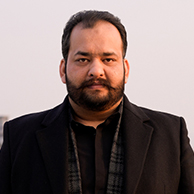
Ovais Ali Khokhar, as Founder and CEO of House of Elaan & Ovaisco Group, has revolutionized the real estate industry with innovative strategies that blend marketing, investment, legal services, and creativity. His efforts in international relations have led to significant global partnerships. He is deeply invested in youth empowerment, aiming to nurture the next generation of leaders and drive forward a resilient and vibrant future. His work is characterized by a strong commitment to collaboration, innovation, and a vision for a globally connected, sustainable future.
Ovais Ali Khokhar
President Elaan Research Center